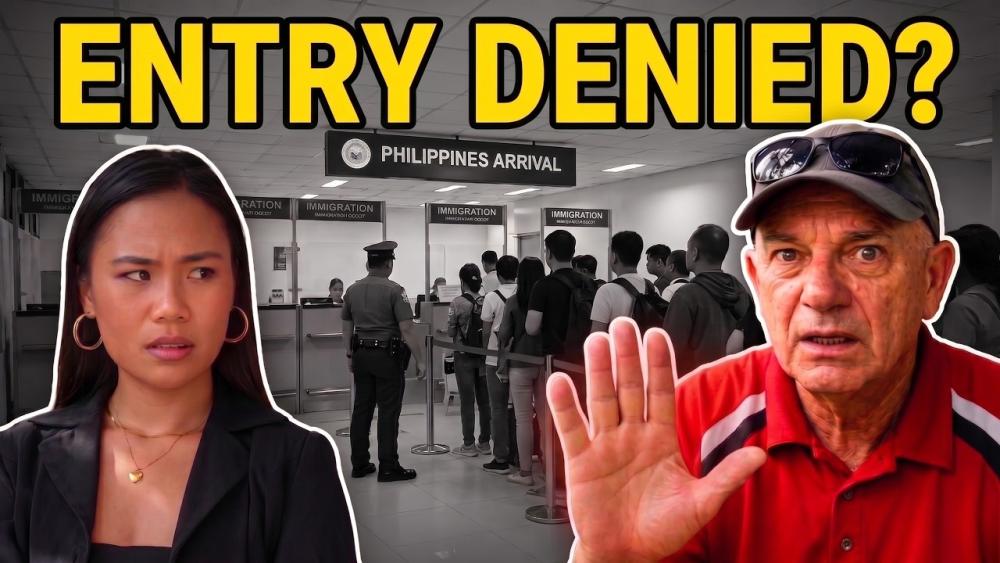
Overstaying a visa in the Philippines is more common than many foreigners expect. Processing delays, misunderstandings about visa validity, or simple oversight can quickly lead to penalties. The good news? Most overstay cases are fixable - as long as you act early and follow the correct process.
This guide explains what happens if you overstay, how much it usually costs, and how to resolve it legally.
What Is Considered an Overstay in the Philippines?
You are considered overstaying if you remain in the Philippines beyond the authorized stay stamped or granted on your visa - even by one day.
Common situations that lead to overstaying include:
- Misreading the visa expiration date
- Assuming visa-free entry means 30 or 59 days automatically
- Waiting too long to apply for an extension
- Delays in visa conversion or renewal
- Medical emergencies or unexpected travel issues
Philippine immigration does not provide grace periods. Overstay penalties apply immediately.
What Happens If You Overstay Too Long?
Short overstays are usually manageable. Long overstays, however, can result in:
- Higher cumulative fines
- Mandatory interviews with immigration officers
- Delays in future visa approvals
- Difficulty exiting the country
- Risk of being flagged or blacklisted in serious cases
Overstaying years, not days or weeks, is where problems escalate significantly.
How to Fix an Overstay in the Philippines
Option 1: Voluntary Reporting (The Best Option)
If you realize you’ve overstayed:
- Visit the Bureau of Immigration immediately
- Declare the overstay voluntarily
- Pay fines and apply for visa legalization or extension
Voluntary disclosure is viewed more favorably than being flagged at departure.
Option 2: Legalize Your Stay Before Leaving
If you plan to exit the Philippines:
- Do not go straight to the airport
- Overstays must be settled before departure
- Immigration will not allow exit with unresolved overstays
This often includes: Overstay settlement, Visa extension (retroactive), Emigration Exit Clearance (ECC, if required).
What Not To Do
- Ignore the overstay and hope immigration won’t notice
- Attempt to leave without fixing the issue
- Assume fines can be paid at the airport (they usually can’t)
- Use incorrect or unofficial advice from online forums
Overstay Fines in the Philippines
While fees can change, overstaying penalties typically include:
Overstay Fine
Usually around PHP 500 per day of overstay, calculated from the first day of overstay.
Immigration Processing Fees
Depending on the length of overstay, you may also be charged: Motion for reconsideration / legalization fee, Visa extension fees (retroactive), Express lane or certification fees.
ACR I-Card Penalties (if applicable)
If your stay exceeded 59 days and you failed to secure or renew your ACR I-Card, additional fines apply. The longer the overstay, the higher the total cost - and the more scrutiny from immigration officers.
Overstaying More Than 6 Months
If you have overstayed your visa for more than six months, your case is treated differently by Philippine Immigration. In addition to paying overstay fines and retroactive visa fees, you will be required to file a Motion for Reconsideration (MR).
What Is a Motion for Reconsideration?
A Motion for Reconsideration is a formal written request asking immigration authorities to allow the legalization of your stay despite a long overstay. This document explains:
- Why the overstay occurred
- Why it was not corrected earlier
- Your intent to comply with Philippine immigration laws
Approval of the motion is mandatory before your overstay can be fully resolved.
What Happens Without a Motion?
If an overstay exceeds 6 months and no Motion for Reconsideration is filed:
- Your visa cannot be legalized
- You may not be allowed to extend or exit the country
- Departure may be delayed
- Your case may be escalated for further review
Important to Know
- Motions are reviewed on a case-by-case basis
- Approval is not automatic
- Improperly written or incomplete motions can cause significant delays
Because of this, long overstays almost always require professional assistance to ensure the motion is properly prepared, filed, and followed up.
How to Avoid Overstaying in the Future
- Track visa validity dates carefully
- Apply for extensions at least 7–10 days before expiration
- Keep copies of all immigration receipts
- Avoid last-day filings whenever possible
- Work with a licensed immigration consultant for long stays
Need Help Fixing a Visa Overstay in the Philippines?
If you’ve overstayed your visa, especially longer than six months - it’s important to handle the situation correctly to avoid further penalties, delays, or immigration issues. Each case is different, and mistakes can be costly. Getting proper guidance can save you time, stress, and unnecessary expenses. If you need professional guidance or clarity on your next steps, contact us to discuss the best solution for your situation.